Hadrian
Hadrian ( HAY-dree-ən; born Publius Aelius Hadrianus, 24 January 76 – 10 July 138) was Roman emperor from 117 to 138. His form of address as Roman emperor was Imperator Caesar Traianus Hadrianus Augustus. Hadrian was born in Italica, in the present-day Andalusian province of Seville in southern Spain, an Italic settlement in Hispania Baetica; his gens Aelia came from the town of Hadria in eastern Italy. He was a member of the Nerva–Antonine dynasty.
Early in his political career, Hadrian married Vibia Sabina, grandniece of the ruling emperor, Trajan, and his second cousin once removed. The marriage and Hadrian's later succession as emperor were probably promoted by Trajan's wife Pompeia Plotina. Soon after his own succession, Hadrian had four leading senators unlawfully put to death, most likely because they seemed to threaten the security of his reign; this earned him the senate's lifelong enmity. He earned further disapproval by abandoning Trajan's expansionist policies and territorial gains in Mesopotamia, Assyria, Armenia, and parts of Dacia. Hadrian preferred to invest in the development of stable, defensible borders and the unification of the Roman empire's disparate peoples and subjects. He was a promoter of philhellenism.
Hadrian energetically pursued his own Imperial ideals and personal interests. He visited almost every province of the Empire, and indulged a preference for direct intervention in imperial and provincial affairs, especially building projects. He is particularly known for building Hadrian's Wall, which marked the northern limit of Britannia. In Rome itself, he rebuilt the Pantheon and constructed the vast Temple of Venus and Roma. In Egypt, he may have rebuilt the Serapeum of Alexandria. As an ardent admirer of Greek culture, he promoted Athens as the cultural capital of the Empire. His intense relationship with Greek youth Antinous and the latter's untimely death led Hadrian to establish a widespread, popular cult. Late in Hadrian's reign, he suppressed the Bar Kokhba revolt, which he saw as a failure of his universal project and philhellenic ideal.
Hadrian's last years were marred by chronic illness. His marriage had been both unhappy and childless. In 138, he adopted Antoninus Pius and nominated him as a successor, on condition that Antoninus adopt Marcus Aurelius and Lucius Verus as his own heirs. Hadrian died the same year at Baiae, and Antoninus had him deified, despite opposition from the Senate. Later historians counted him as one of Rome's so-called "Five Good Emperors", and as a benevolent autocrat. His own Senate found him remote and authoritarian. He has been described as enigmatic and contradictory, with a capacity for both great personal generosity and extreme cruelty and driven by insatiable curiosity, conceit, and ambition.
SALGUERO
- 2025-06-17T00:00:00.000000Z
Archivos 17:27
- 2024-11-22T00:00:00.000000Z
Oro Molido
- 2023-12-01T00:00:00.000000Z
Niño De Oro
- 2022-08-26T00:00:00.000000Z
White
- 2016-06-10T00:00:00.000000Z
Ellas
- 2015-07-22T00:00:00.000000Z
Gran Maestre
- 2014-11-26T00:00:00.000000Z
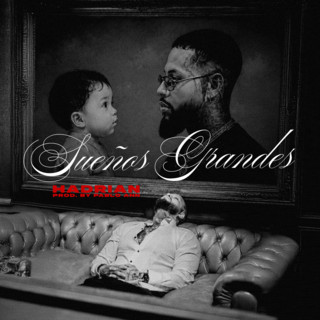
Sueños Grandes
- 2026-05-29T00:00:00.000000Z
FOTOS
- 2026-02-12T00:00:00.000000Z
El Panal
- 2025-12-05T00:00:00.000000Z
Ingrata
- 2025-11-07T00:00:00.000000Z
Alucin
- 2025-10-02T00:00:00.000000Z
El Clavo
- 2025-05-23T00:00:00.000000Z
Padre Nuestro
- 2025-04-25T00:00:00.000000Z
DOBLE MORAL
- 2025-02-28T00:00:00.000000Z
Chrome Hearts
- 2025-02-07T00:00:00.000000Z
DE MODA
- 2024-11-15T00:00:00.000000Z
OCHUN
- 2024-11-08T00:00:00.000000Z
DISTINGUIDO
- 2024-11-01T00:00:00.000000Z
Snapback
- 2024-10-25T00:00:00.000000Z
Similar Artists